Resources
Resources
Resources
What’s New
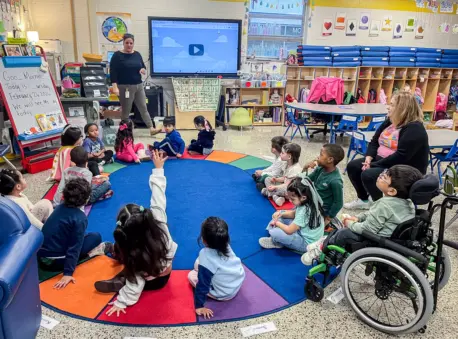
Study estimates $1.7B cost to expand subsidized childcare, raise teacher pay
September 14, 2026
|
VPM
t would cost nearly $1.7 billion to expand access to subsidized childcare in Virginia and pay early childhood educators more, according to a new study. The new research comes as the commonwealth recently took steps to fund — and clear — the waitlist for one popular program. But experts and advocates say that the waitlist is only one indicator of demand for subsidized childcare.
3 in 4 U.S. voters say the cost of childcare is a major problem, survey finds
August 27, 2026
|
VPM
A new survey finds 3 in 4 U.S. voters say the cost of childcare is a major problem — and it’s among reasons affordability is a top issue this election year. For parents who pay for childcare, more than a third say it’s one of their top two expenses, according to a poll commissioned by the First Five Years Fund, which advocates for expanding early learning and care.
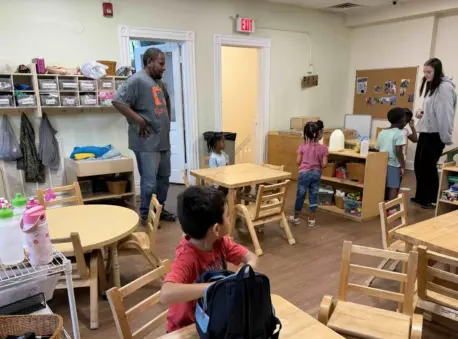
Pilot program connects childcare centers with substitute teachers via app
August 3, 2026
|
VPM
In most schools, substitute teachers are commonplace. Finding temporary teachers to fill in at childcare centers is a bit more complicated. But a new pilot program helps daycares in the Richmond region hire qualified substitutes through an app.
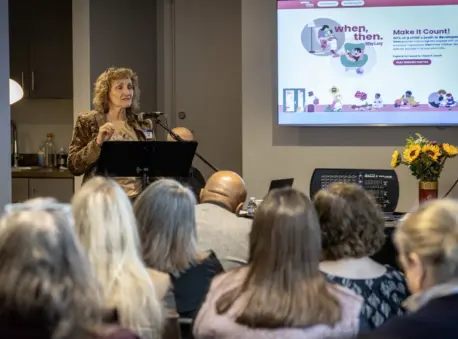
VPM’s 90by5 campaign reaches new audiences as expansion continues
August 3, 2026
|
VPM
Have you heard about VPM’s “When, Then - 90by5” early childhood messaging campaign? Since the campaign expanded into Charlottesville earlier this year, the campaign has connected 107,000 parents and caregivers to helpful resources, such as interactive games, activities, posters and other educational content. But what is the 90by5 campaign and why is it important? “The name 90by5 reflects the fact that 90% of a child’s brain develops by age 5,” said Mary Jo Grieve, VPM’s Director of Early Childhood Care and Education. “The "When, Then" message reinforces a simple idea: When parents and caregivers engage with young children through everyday interactions, then those children build the skills they need to succeed in school and in life.”
Proposed $1.68 Billion Child Care Investment Would Generate $1.79 Billion in New Annual Wages and Resources for Virginia Families and Businesses
August 3, 2026
|
Prenatal-to-3 Policy Impact Center
Virginia has been a national leader in child care for years, using federal pandemic funds and state dollars to expand and maintain access to affordable, high-quality care for working families across the state. Virginia’s investments have raised child care quality and have increased access to care for families. However, gaps remain: early childhood educators continue to earn well below a living wage, and child care remains unaffordable for many Virginia families. Virginia’s strategic access to relevant data has made it possible to project the annual cost of increasing educator wages to parity with elementary school teachers and funding access to high-quality child care that aligns with parent demand. Assuming an uptake of 70% of children in eligible working families, this expansion would require a new annual investment of $1.68B per year.
Virginia Employer Child Care Survey Findings (opens in new window)
A statewide survey of hundreds of employers showed that the lack of affordable, quality child care options is not just an issue for families—it’s a problem for businesses too.
The Business Case for Child Care (opens in new window)
Moms can’t work without child care – period. And yet, child care too often is seen as an individual problem for families to solve. With original data developed by our knowledge partner McKinsey, we released a new report that shows amid the Great Resignation, expanded child care benefits can help companies attract, retain and advance women in the workforce.
The Children and Screens Guide for Early Child Development and Media Use: Infants and Children Ages 0-5 (opens in new window)
he first five years of a child’s life are a magical time of rapid development that is foundational for their later cognitive, social, physical, and behavioral health. As families worldwide navigate the integration of digital technologies and media into daily life, researchers and clinicians continue to investigate the impacts of screen use on all facets of development, from infancy through late adolescence. Children and Screens has summarized insights from current research and experts in the field to help parents and caregivers of infants and very young children learn how to build a foundation of healthy brain, neural, and social development — and help families determine how they can intentionally and most beneficially incorporate media use into their child’s life.
Mixed Delivery (opens in new window)
Virginia Early Childhood Foundation’s Mixed Delivery program provides state funding to help eligible families pay for Early Childhood Care and Education (ECCE) services. Mixed Delivery is Virginia’s place for trying out new ideas. It helps turn good ideas into real solutions for the problems families and site leaders see in the ECCE system.
Individual Therapy for Parents and Caregivers from Greater Richmond SCAN (opens in new window)
Individual Therapy for Parents supports caregivers in building personalized tools to manage stress, regulate emotions, and navigate the challenges of parenting.
New Informational Overview of Publicly-Funded ECCE Programs in Virginia Available (opens in new window)
The VDOE has posted a new webinar titled Virginia's Publicly-Funded Early Childhood Care and Education Programs. The webinar provides the purpose, characteristics, and requirements of all of Virginia’s publicly-funded ECCE programs, including funding considerations, inclusion requirements for children with disabilities, and available wrap-around services.
Get In Touch
Connect with TB5 to learn more.