Resources
Resources
Resources
What’s New
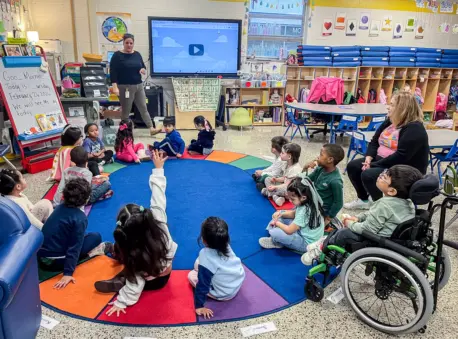
Study estimates $1.7B cost to expand subsidized childcare, raise teacher pay
September 14, 2026
|
VPM
t would cost nearly $1.7 billion to expand access to subsidized childcare in Virginia and pay early childhood educators more, according to a new study. The new research comes as the commonwealth recently took steps to fund — and clear — the waitlist for one popular program. But experts and advocates say that the waitlist is only one indicator of demand for subsidized childcare.
3 in 4 U.S. voters say the cost of childcare is a major problem, survey finds
August 27, 2026
|
VPM
A new survey finds 3 in 4 U.S. voters say the cost of childcare is a major problem — and it’s among reasons affordability is a top issue this election year. For parents who pay for childcare, more than a third say it’s one of their top two expenses, according to a poll commissioned by the First Five Years Fund, which advocates for expanding early learning and care.
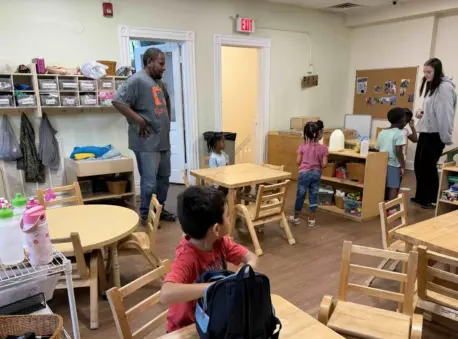
Pilot program connects childcare centers with substitute teachers via app
August 3, 2026
|
VPM
In most schools, substitute teachers are commonplace. Finding temporary teachers to fill in at childcare centers is a bit more complicated. But a new pilot program helps daycares in the Richmond region hire qualified substitutes through an app.

VPM’s 90by5 campaign reaches new audiences as expansion continues
August 3, 2026
|
VPM
Have you heard about VPM’s “When, Then - 90by5” early childhood messaging campaign? Since the campaign expanded into Charlottesville earlier this year, the campaign has connected 107,000 parents and caregivers to helpful resources, such as interactive games, activities, posters and other educational content. But what is the 90by5 campaign and why is it important? “The name 90by5 reflects the fact that 90% of a child’s brain develops by age 5,” said Mary Jo Grieve, VPM’s Director of Early Childhood Care and Education. “The "When, Then" message reinforces a simple idea: When parents and caregivers engage with young children through everyday interactions, then those children build the skills they need to succeed in school and in life.”
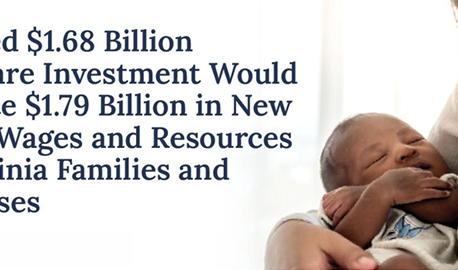
Proposed $1.68 Billion Child Care Investment Would Generate $1.79 Billion in New Annual Wages and Resources for Virginia Families and Businesses
August 3, 2026
|
Prenatal-to-3 Policy Impact Center
Virginia has been a national leader in child care for years, using federal pandemic funds and state dollars to expand and maintain access to affordable, high-quality care for working families across the state. Virginia’s investments have raised child care quality and have increased access to care for families. However, gaps remain: early childhood educators continue to earn well below a living wage, and child care remains unaffordable for many Virginia families. Virginia’s strategic access to relevant data has made it possible to project the annual cost of increasing educator wages to parity with elementary school teachers and funding access to high-quality child care that aligns with parent demand. Assuming an uptake of 70% of children in eligible working families, this expansion would require a new annual investment of $1.68B per year.
MCCYN Fee Assistance Program (opens in new window)
Child Care Aware® of America administers a Fee Assistance Program for families on behalf of the United States Army, Air Force, and Marine Corps. If you have a valid state license, an approved national accreditation, and annual licensing inspection, you may be eligible to participate in the program.
Child and Adult Care Food Program (CACFP) (opens in new window)
This federal program provides reimbursements for nutritious meals and snacks to eligible children enrolled in participating child care programs.
Become a Subsidy Vendor (opens in new window)
The Child Care Subsidy Program helps eligible families pay for child care.
Early Childhood Dataset from 3Si (opens in new window)
CUSP Public is 3Si’s free data and interactive visualization tool to explore, analyze, and download child population, demographic, and program eligibility data for all states and counties in the U.S.
Child Care Aware of Virginia Child Care Supply Data by Locality (opens in new window)
Locality fact sheets provide a two-page overview regarding the supply of child care and early care in Virginia localities. Included: number of child care programs by regulation type, program type, licensed capacity, and self-reported cost of care.
Virginia Kindergarten Readiness Program (VKRP) Data Snapshots (opens in new window)
VKRP Data Snapshots provide data about the statewide readiness landscape in the fall and spring of each year.
Get In Touch
Connect with TB5 to learn more.